
The Tesla Delivery Checklist Australian Buyers Wish They’d Had
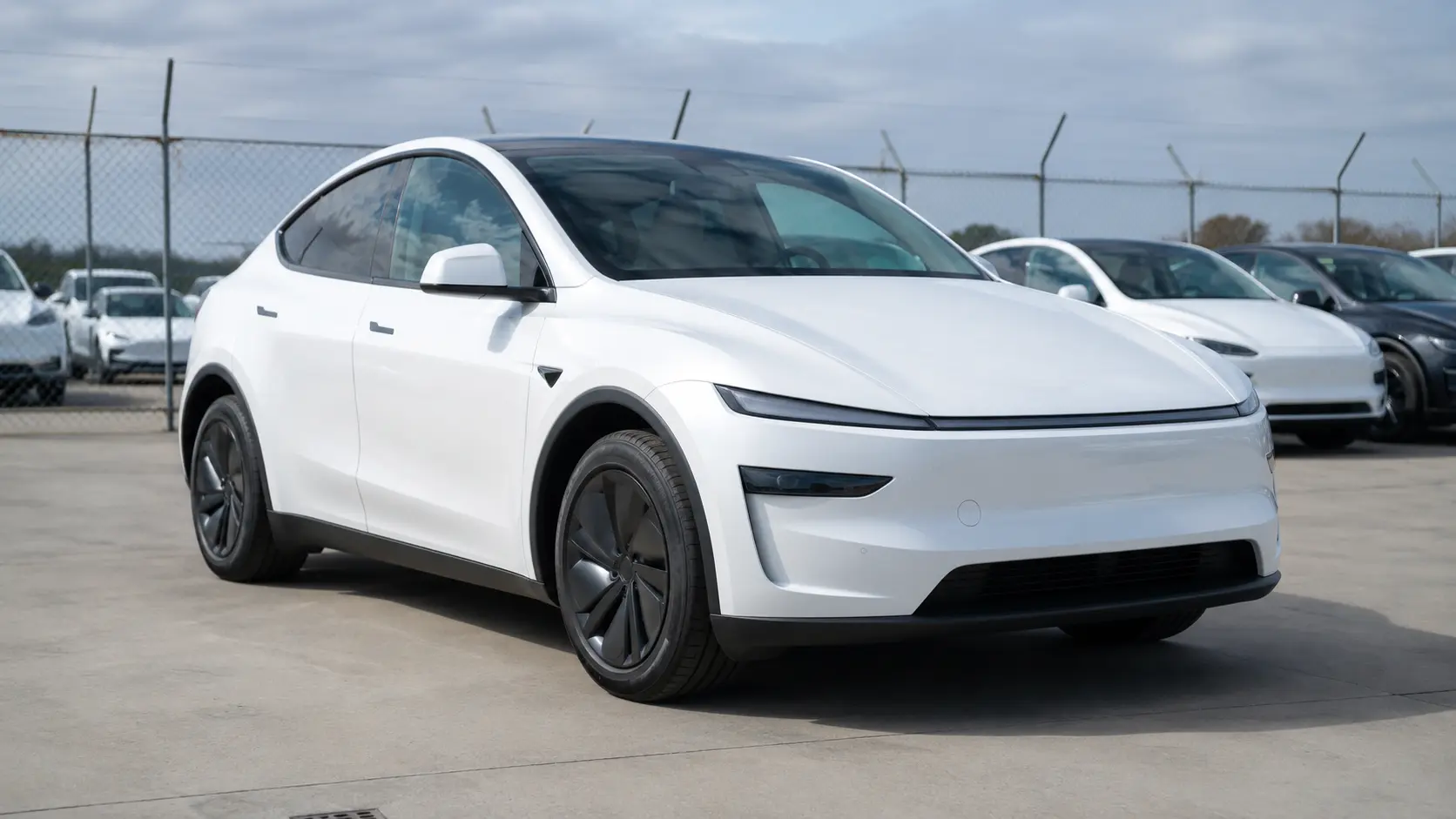
You’ve waited months. The app finally shows a delivery date. Before you screenshot it and send it to the group chat, read this first — because what happens in the next 20 minutes at the delivery centre determines how much hassle you deal with for the next five years.
This isn’t a reprint of a US checklist with “colour” spelled the American way. It’s built around how Tesla actually delivers cars in Australia, including things no other guide mentions: state rebate deadlines, Australian Design Rule compliance, and why your China-built Model Y is statistically less likely to have panel gap issues than an earlier US-built car.
Inspect the exterior and interior before signing off in the Tesla app. Check panel gaps, paint, glass, and tyres. Confirm your VIN, software version, and any paid options are correct. Report any defect through the app within 100km or before you leave the compound — Australia doesn’t use the US “100-mile” grace period, so don’t rely on it. Check your state rebate or stamp duty exemption deadline separately, since it’s tied to your delivery date, not your order date.
What Is a Tesla Delivery Checklist, and Why Does It Matter in Australia?
A Tesla delivery checklist is a structured inspection you run through before accepting your car, covering panel fit, paint, glass, tyres, interior trim, and software. It exists because Tesla’s delivery process is largely self-service — there’s often no staff member walking you through it, so any defect you don’t catch becomes your problem to chase up later.
In Australia, this matters more than it does in the US. Tesla has previously paused Model 3 deliveries in Australia entirely because an updated version didn’t meet the Australian Design Rules for child seat anchor points — a compliance issue that wouldn’t have shown up on any generic checklist. Local conditions, local regulations, and local paperwork all change what “checking your car” actually means here.
What Should You Physically Inspect on Delivery Day?
Walk the car in a full circle before you touch the “accept delivery” button in the app. Do this in daylight if you can — panel gaps and paint defects are much harder to spot under garage lighting.
- VIN check — confirm the Vehicle Identification Number on the driver’s door pillar matches the VIN on your delivery paperwork and in the Tesla app.
- Compliance plate — locate it (usually driver’s door jamb) and confirm it’s present. This is Tesla’s declaration that the vehicle meets Australian Design Rules — its absence or an error here is a genuine red flag, not a cosmetic nitpick.
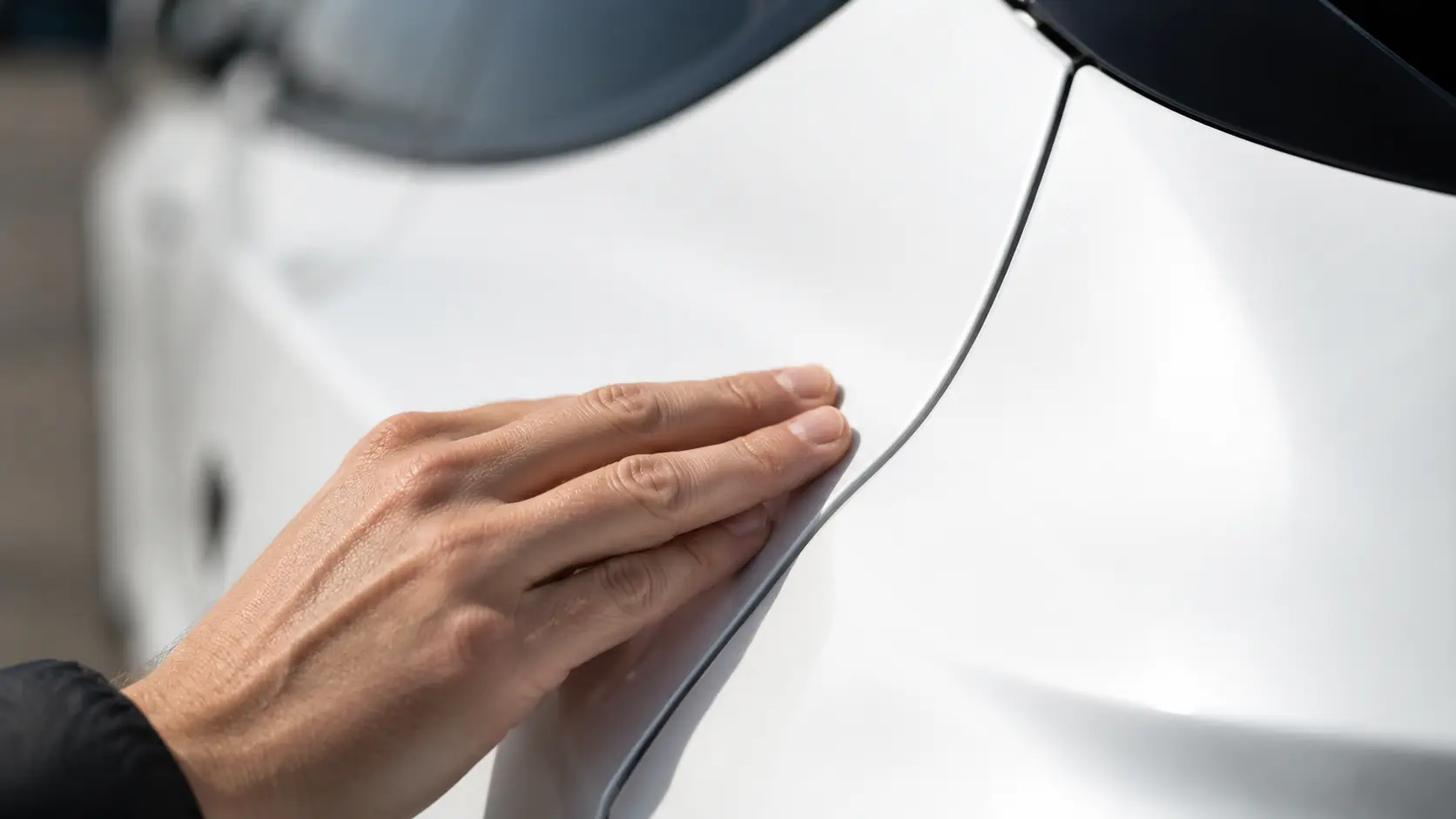
- Paint and panel gaps — walk the car checking for uneven gaps between panels, especially around the bonnet, doors, and boot. Large gaps between light housings and body panels, and mismatched taillight gaps side to side, are worth flagging.
- Glass and trim — check the windscreen, all windows, and window trim for scratches or chips. The window trim should be scratch-free and well attached.
- Doors, boot, and frunk — open and close every panel. Squeeze the mirror housings gently to check they’re firmly connected and don’t creak.
- Tyres and wheels — check tread depth, sidewall damage, and that all four tyres match in brand and wear.
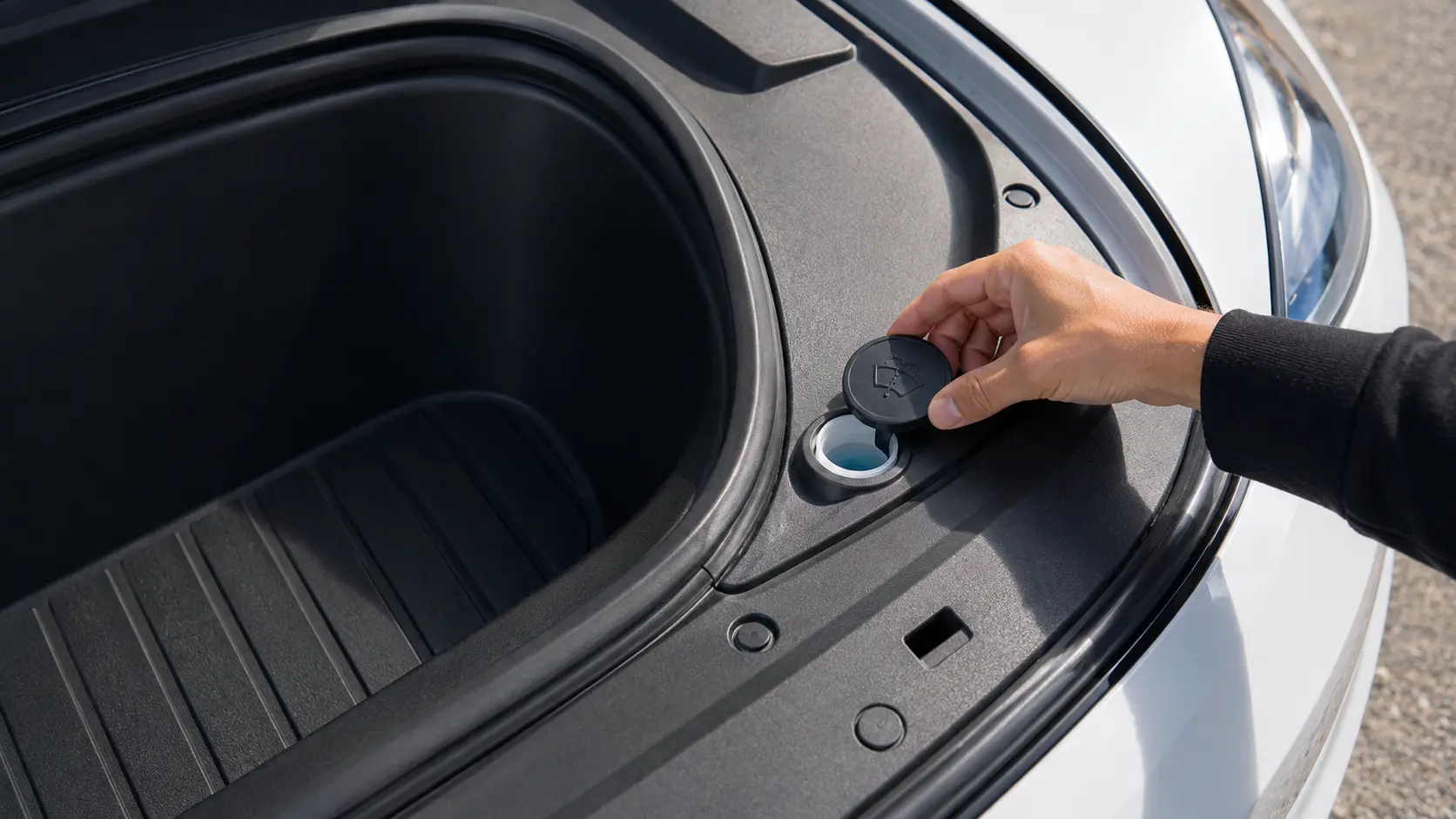
- Washer fluid — a small thing, but a genuinely common miss. Some Australian owners have received their car with an empty windscreen washer container in the frunk.
- Software version — check Tesla’s system settings and confirm the software is current or scheduled for an over-the-air update, since Tesla frequently ships fixes this way.
Does Build Origin Affect Quality in Australia?
Yes — Australian-delivered Teslas are a mix of China-built and US-built vehicles, and owner reports consistently favour China-built cars for panel fit and finish. One Australian owner who took delivery of a China-built Model Y Juniper reported no issues at all, contrasting it with their earlier US-built Model 3, which they described as “another matter.”
This isn’t a guarantee — quality control varies car to car regardless of factory — but if you’re deciding whether to be extra thorough on inspection day, a US-built car warrants a slightly more careful walk-around than a China-built one.
What’s the Actual Process If You Find a Defect?
This is where Australian buyers get tripped up by US-written guides. Forget anything you’ve read about a “100-mile rule” — that’s a US Tesla policy, not an Australian one, and relying on it here is a mistake.
Here’s what actually happens in Australia:
- Note the defect before accepting delivery if possible — photograph it clearly, in good light, from multiple angles.
- Log it through the Tesla app under Service, rather than assuming a staff member will write it down for you — most Australian deliveries are self-serve with minimal staff interaction.
- You can decline to accept delivery on the spot if a defect is significant, though be aware this will delay when you actually get the car.
- For anything found after driving away, report it as soon as possible. There’s no formal grace-period mileage limit in Australia the way there is in the US, but the sooner you log it, the harder it is for Tesla to argue the damage happened after handover.
Don’t panic over tiny inconsistencies. Australian Design Rule compliance issues (like the top-tether anchor problem that paused deliveries) are rare, and Tesla resolves them at a fleet level, not a “your car specifically” level. Minor panel gap variance within a couple of millimetres is normal for mass-produced vehicles, including far more expensive ones. Save your energy for genuine defects.
Do Delivery Deadlines Affect Your State Rebate or Stamp Duty Exemption?
Yes, and this is the part almost no delivery checklist mentions, because it’s not a US issue at all. Several Australian states tie EV incentives to registration or delivery timing, not your original order date.
If your delivery gets pushed close to a rebate program’s end date, a policy change, or a financial year cutoff, you could miss out on a stamp duty exemption or rebate you were counting on. This is genuinely worth checking with your state’s transport authority a few weeks before your estimated delivery window — not something to leave until the app shows a date.
Should You Buy Accessories Before Delivery?
Honestly — no, not most of them. This costs us a sale saying it, but it’s the right advice: wait until you’ve physically seen the car.
Trim, wheel size, and interior configuration can differ slightly from what you configured months ago, especially if Tesla substituted an option during a supply shortage. Floor mats and screen protectors are model- and trim-specific. Ordering before delivery risks buying the wrong fit.
What’s genuinely safe to buy in advance:
- A home charger or portable charging cable, if you know your home setup already
- General car care products (microfibre cloths, ceramic spray) that aren’t trim-specific
What to wait on:
- Floor mats — trim and footwell shape vary between Standard and Premium interiors
- Screen protectors — confirm exact screen dimensions on the delivered car
- Console organisers — centre console depth has changed between model refreshes
Comparison: What to Check by Model Variant
| Check item | Model 3 (Highland) | Model Y (Juniper) |
|---|---|---|
| Rear child seat tether access | Previously flagged for ADR compliance — confirm it’s accessible without tools | Generally compliant; confirm anyway |
| Common QC issue | Panel gaps around boot lid | Taillight gap mismatch side to side |
| Washer fluid check | Yes — frunk-mounted reservoir | Yes — frunk-mounted reservoir |
| UMC charging cable included | No — separate purchase in most configurations | No — separate purchase in most configurations |
| Build origin most common in Australia | Mixed China/US | Predominantly China-built |
What Are the Most Common Delivery Day Mistakes?
Trusting the “100-mile rule” applies here. It’s a US policy. Report defects through the app regardless of distance driven, and do it promptly.
Skipping the compliance plate check. It takes ten seconds and confirms the car actually meets Australian vehicle standards — not just that it looks fine.
Buying accessories before seeing the actual car. Trim and configuration can shift between order and delivery.
Not checking rebate deadlines separately from your delivery date. These are two different clocks, and only one of them is in Tesla’s hands.
Accepting delivery in poor light. Panel gaps and paint defects are genuinely harder to see under overcast skies or indoor lighting — if you can, ask to inspect outside in daylight.
Frequently Asked Questions
What Should You Do Next?
Print or screenshot this checklist before your delivery date — don’t rely on memory once you’re standing next to your new car and the excitement kicks in. Once you’ve inspected the car, confirmed everything matches your order, and driven it home, that’s the right time to shop for trim-specific accessories that actually fit your configuration.
Just picked up your Tesla?
Shop floor mats, screen protectors, and organisers built for your exact model and trim.
Shop Tesla Accessories